

Two of world football’s biggest names lost on the same weekend. Argentina fell 2-1 to Uruguay at La Bombonera on Friday, 13 November, in their first match since Lionel Messi retired. A day later, Japan beat Brazil 3-2 in Singapore with a stoppage-time winner. This is our full results report; the earlier preview details have been replaced by what actually happened.
Results at a glance
- Argentina 1-2 Uruguay (La Bombonera, Buenos Aires): Leonardo Balerdi own goal, Maximiliano Araújo for Uruguay, Julián Álvarez for Argentina.
- Japan 3-2 Brazil (National Stadium, Singapore): Takefusa Kubo, Keito Nakamura and Tatsuhiro Sakamoto for Japan; Vinícius Júnior scored both Brazil goals.
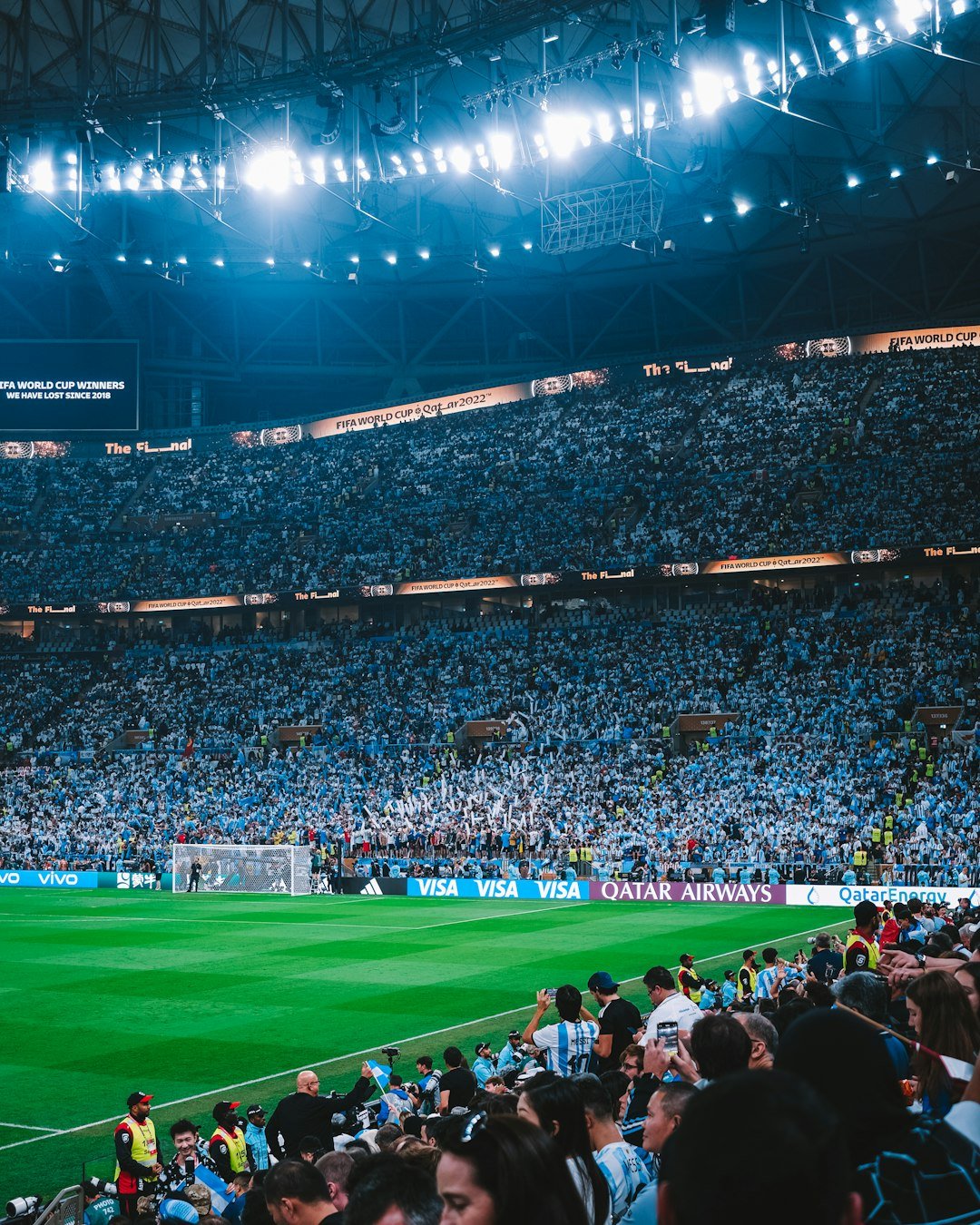
Argentina 1-2 Uruguay: a sour start to life after Messi
Lionel Scaloni’s side began their post-Messi era, after the farewell win over Benin that we covered in our Messi farewell match report, with a defeat. The goalkeeper question from our preview was settled before kick-off: Gerónimo Rulli started and captained the side, while Emiliano Martínez sat on the bench after recovering from his jaw fracture. Cristian Romero and Lautaro Martínez were out injured.
Argentina lined up as Rulli; Montiel, Balerdi, Lisandro Martínez, Medina; Mac Allister, Palacios, Fernández; Paz, Álvarez, Almada. Diego Forlán’s Uruguay answered with Fiermarín; Varela, Ronald Araújo, Olivera, Piquerez; Canobbio, Torreira, Bentancur; Maximiliano Araújo, De Arrascaeta, Núñez.
How the game was lost
The decisive moments all came early in the second half. Balerdi turned the ball into his own net in the third minute after the restart, and about six minutes later Maximiliano Araújo made it 2-0. Reports differ by a minute or so on the exact timings. La Nación described both goals as coming from set pieces and noted that the Bombonera was far from full.
Álvarez pulled one back in the 28th minute of the second half, but Argentina never found an equaliser. Scaloni used Soulé, Prestianni, Vega and Giay from the bench, while Uruguay brought on Federico Valverde, Viñas, Bernal, Pellistri and Aguirre to manage the finish. Balerdi, Enzo Fernández and Giay were booked for Argentina, with Varela and Bentancur cautioned for Uruguay.
What it means
It ended a run of three straight wins for Argentina, and it showed that the team’s balance changes without Messi. Our preview pointed to a possible 3-2 Argentina win, and that was wrong. There is context, though: Scaloni was recently renewed through the 2030 World Cup, so nobody is panicking. For Uruguay, it was a confident result under Forlán in a rivalry game, and the 198th Clásico del Río de la Plata went their way.
Both teams return to action on Tuesday, 17 November: Argentina play Costa Rica in Córdoba, while Uruguay host the Dominican Republic in Maldonado.
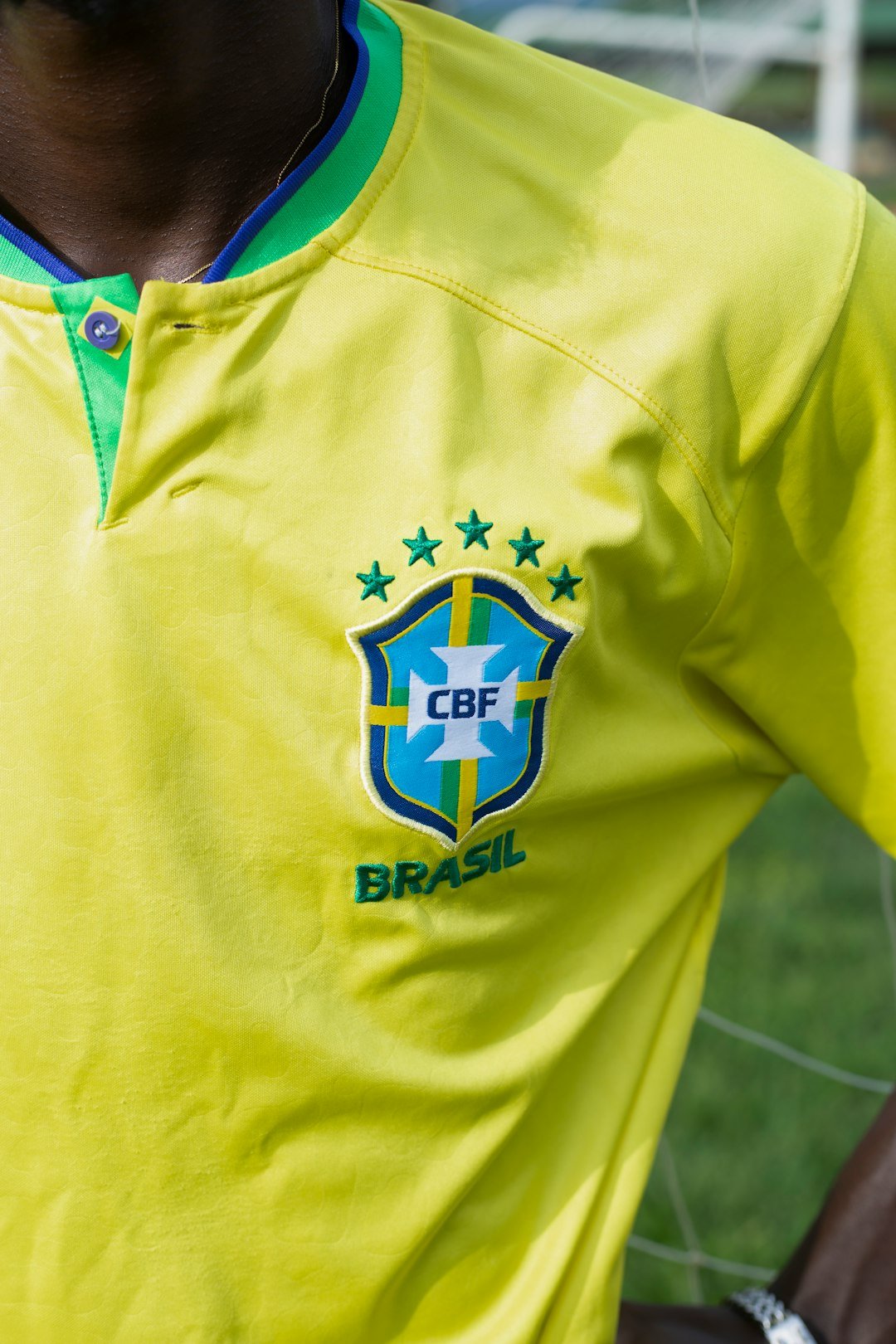
Japan 3-2 Brazil: Sakamoto’s late winner
Japan took control early. Takefusa Kubo scored in the 14th minute and Keito Nakamura doubled the lead in the 18th, leaving Brazil chasing the game inside twenty minutes. Vinícius Júnior responded with a strong finish in the 32nd minute to make it 2-1 at the break.
He struck again in the 29th minute of the second half to level the match, and for a while a Brazil comeback looked likely. Then, in stoppage time, substitute Tatsuhiro Sakamoto scored the winner to settle a thrilling game. Japanese outlets framed it as revenge for the 2026 World Cup last-32 defeat in Houston, which we covered in our Brazil vs Norway report as part of Brazil’s exit, and as the first time an Asian side has beaten Brazil twice.
The line-ups
Japan started with Zion Suzuki; Seko, Machida, Ito; Doan, Tanaka, Kamada, Nakano, Nakamura; Kubo, Maeda. That was different from the probable XI in our preview, with a back three and wing-backs but several changes in personnel. Brazil went with Pedro Morisco in goal, a back four of Wesley, Jair, Gabriel Magalhães and Carlos Augusto, and a front three of Estêvão, Raphinha and Vinícius, with Andrey Santos, Bruno Guimarães and André in midfield.
Endrick replaced Raphinha in the 25th minute of the second half, and Vinícius was booked for dissent. Brazil also used Vanderson, Jonathan Jesus, Marlon Gomes, Alisson Santana and João Gomes from the bench. Japan emptied theirs too, with Itakura, Minamino, Sugawara and Ogawa among the substitutes.
What it means for Ancelotti
This is the second time in thirteen months that Japan have scored three against Brazil and won. Ancelotti is building a young group for the 2028 Copa América, so a loss in November is not a disaster, but conceding twice before the half-hour mark is the kind of detail he will want fixed. The positive was Vinícius, whose two goals showed why we rated him so highly in our Vinícius Júnior profile. Brazil play Singapore next.
For Hajime Moriyasu, the victory confirms that Japan’s recent unbeaten run was no accident, even without Ueda, Mitoma and Tomiyasu.
Why these two results matter
Friendlies rarely change a season, but they shape narratives. Argentina’s defeat will fuel debate about how the team looks without its captain and talisman, even though results against Costa Rica next week may quickly change the tone. Brazil’s loss adds to the sense of a team still searching for its identity under Ancelotti, while Japan continue to climb as the strongest Asian side in world football. Both coaches will now look at which young players earned more minutes and which defensive habits need work before the next window.
For more background, read our look at Argentina’s road to 2026, our Brazil road-to-2026 analysis, and the latest trending sports roundup.
Three talking points from the weekend
- Set pieces and concentration: Argentina’s two conceded goals came in a six-minute spell early in the second half, a reminder that a friendly can turn quickly when focus drops.
- Vinícius still delivers: two goals in a losing effort show he is Brazil’s most reliable attacking outlet while the squad is rebuilt.
- Japan’s belief: a team that scores twice in eighteen minutes against Brazil, then wins in added time, is playing with real confidence.
None of this makes the November window a crisis for either giant. Squads are incomplete, minutes are being shared, and the real tests arrive when competitive football returns. Still, the scorelines will be remembered, and the next friendlies, including Argentina’s trip to Córdoba on Tuesday, give both sides a quick chance to answer.
Frequently asked questions
What was the score in Argentina vs Uruguay?
Uruguay won 2-1 at La Bombonera. Balerdi’s own goal and a Maximiliano Araújo strike put them ahead, and Julián Álvarez scored for Argentina.
What was the score in Japan vs Brazil?
Japan won 3-2. Kubo, Nakamura and a stoppage-time goal from Sakamoto beat Brazil, who got two goals from Vinícius Júnior.
Did Messi play against Uruguay?
No. Messi has retired, and this was Argentina’s first match without him.
When do Argentina and Brazil play next?
Argentina face Costa Rica in Córdoba on Tuesday, 17 November. Brazil’s next opponent is Singapore.
Accurate as of 14 November 2026. Goal minutes, substitutions and bookings are taken from match reports and can differ slightly between sources.
Sources: VAVEL Argentina, BioBioChile, La Nación, Gazeta Esportiva and Kyodo via Yahoo Japan. Images are Unsplash stock photos by Igor Batista, Olumide Adekunle and Krzysztof Dubiel; they are not from these matches.