

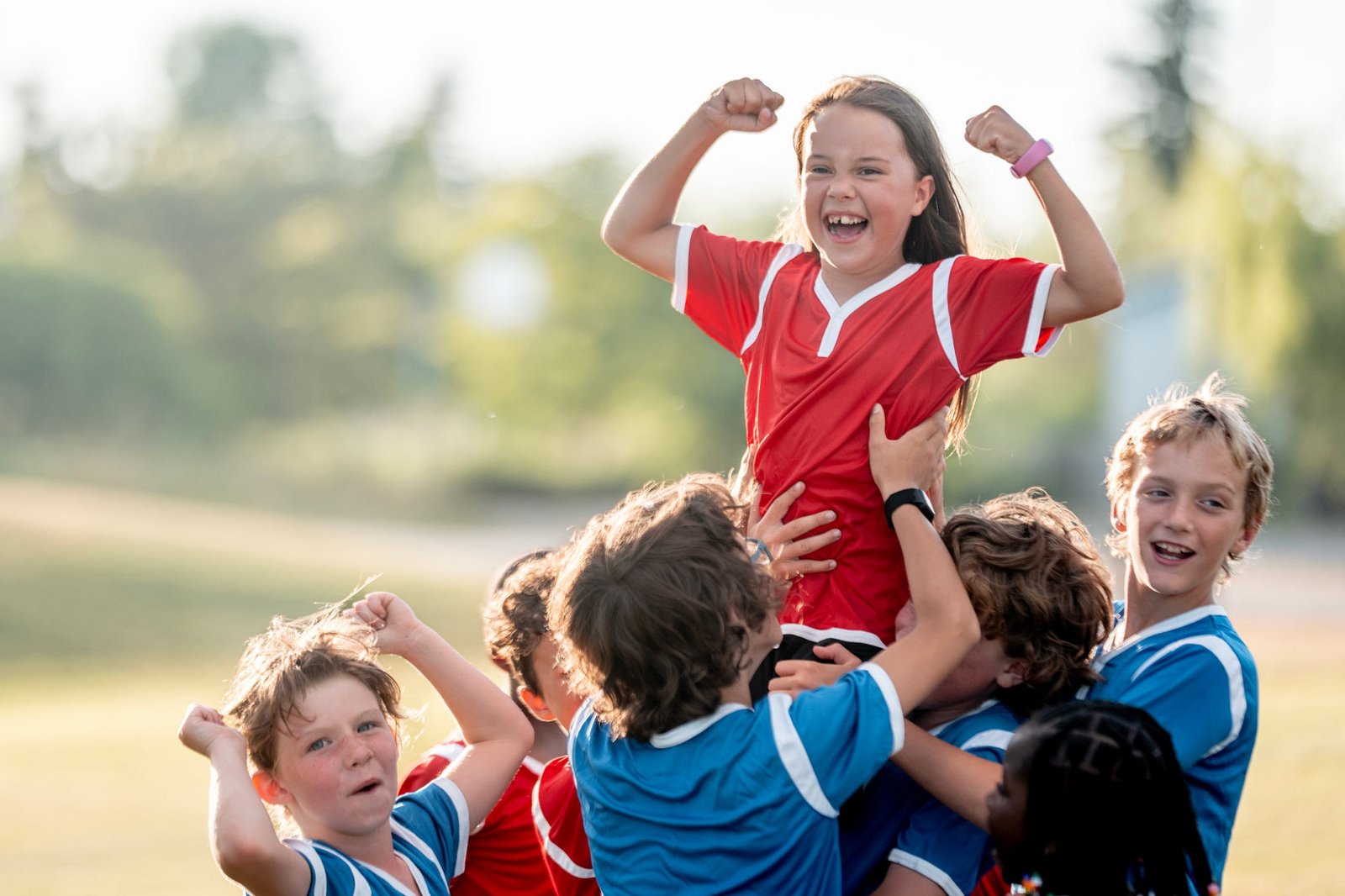
Discover how youth sports support children’s physical health, mental well-being, academic performance, confidence, teamwork, and lifelong success.
The Benefits of Youth Sports in Child Development
The Benefits of Youth Sports in Child Development
Youth sports are about much more than scoring goals, winning games, or bringing home trophies. For children and teenagers, participating in sports can be an important part of growing into healthy, confident, and socially connected individuals.
Whether a child plays football, basketball, cricket, swimming, tennis, or another sport, regular participation provides opportunities to stay physically active, develop new skills, make friends, overcome challenges, and learn valuable lessons about teamwork and perseverance.
The Benefits of Youth Sports in Child Development
Research has increasingly highlighted the connection between youth sports and child development, showing benefits that can extend beyond the playing field and into the classroom, home, workplace, and adult life.
Key Benefits of Youth Sports
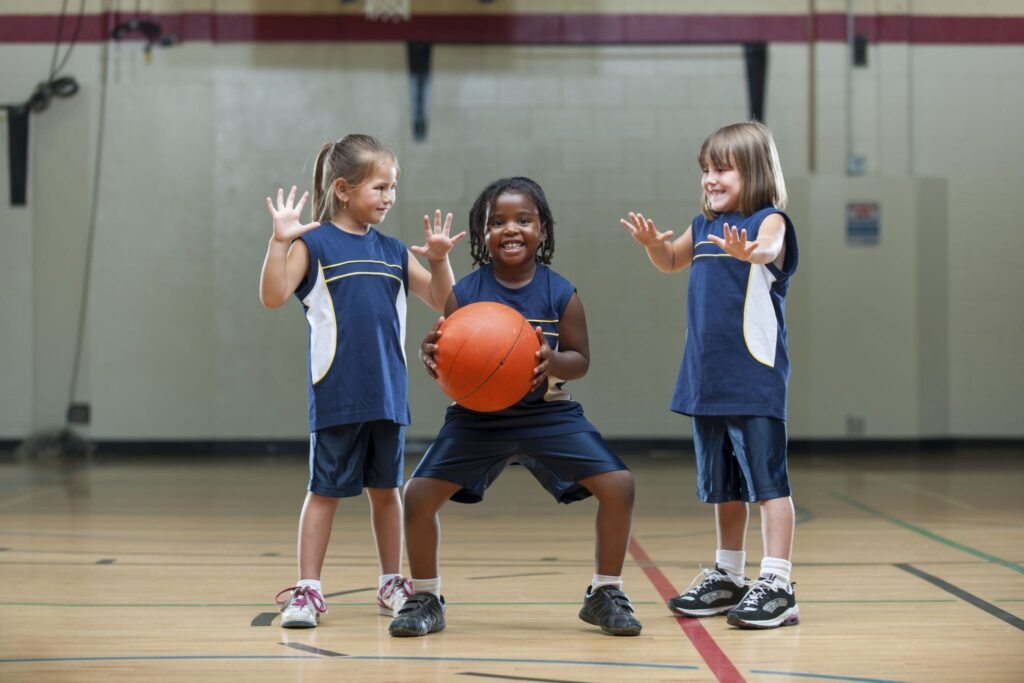
Youth sports can contribute to several important areas of child development, including:
Better physical fitness and overall health
Improved confidence and self-esteem
Lower levels of stress and anxiety
Stronger social and communication skills
Better teamwork and leadership abilities
Improved concentration and cognitive performance
Greater academic engagement
Development of healthy habits that can last into adulthood
The quality of the sporting experience matters, too. Supportive coaches, encouraging parents, and a positive team environment can make a significant difference in how children experience sports.
Physical Health Benefits of Youth Sports

One of the most obvious benefits of youth sports is improved physical health.
Children today often spend considerable time indoors using smartphones, tablets, computers, and gaming consoles. Encouraging them to participate in organized sports provides a fun and structured way to become more physically active.
The Benefits of Youth Sports in Child Development
Regular physical activity can help children:
Maintain a healthy body weight
Build stronger muscles and bones
Improve cardiovascular fitness
Develop coordination and balance
Increase strength, flexibility, and endurance
Improve sleep quality
Develop fundamental movement skills
Perhaps one of the most important benefits is that sports can help children develop an active lifestyle early in life. When exercise becomes a normal and enjoyable part of childhood, children may be more likely to remain physically active as they grow older.
The Benefits of Youth Sports in Child Development
Mental and Emotional Benefits of Youth Sports
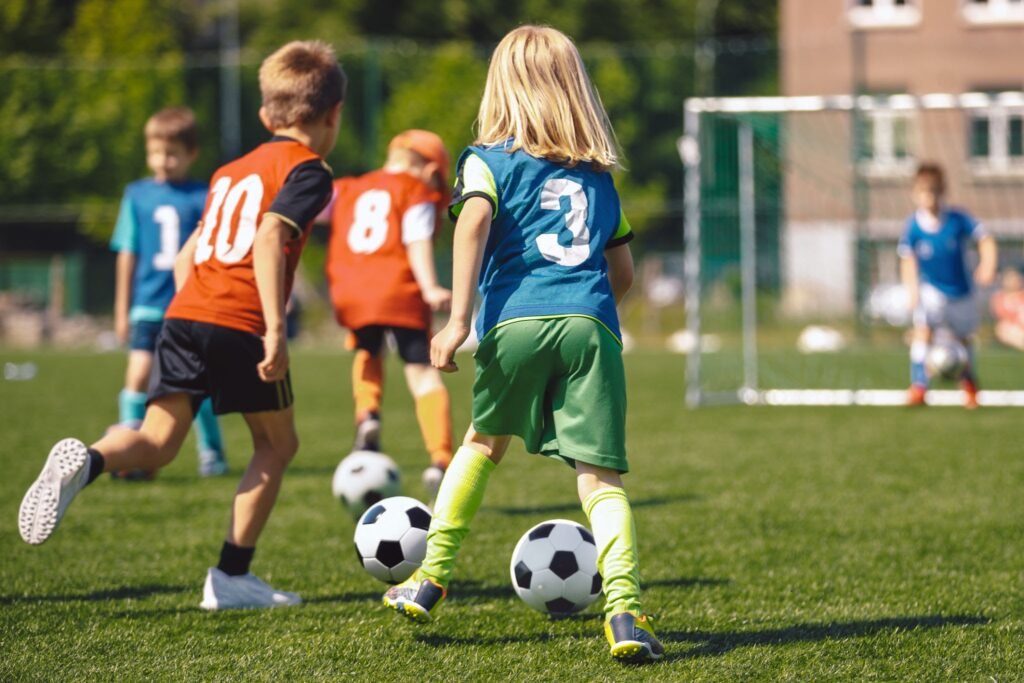
The impact of sports isn’t limited to physical fitness. Youth sports can also support children’s mental and emotional well-being.
Playing sports gives children opportunities to set goals, deal with setbacks, solve problems, and experience both success and failure. These experiences can help them develop resilience and a healthier approach to challenges.
Regular participation in sports may contribute to:
Greater self-confidence
Higher self-esteem
Reduced stress
Better emotional regulation
Lower levels of anxiety and depression
Improved concentration and cognitive skills
A stronger sense of accomplishment
For children, simply mastering a new skill—whether it’s learning to swim, scoring their first goal, or improving their running time—can create a powerful sense of achievement.
The Benefits of Youth Sports in Child Development
How Sports Can Improve Academic Performance
Some parents worry that spending time on sports could take attention away from schoolwork. However, research suggests that athletic participation and academic achievement can actually complement each other.
Student athletes often develop habits that are useful in the classroom, including discipline, time management, goal setting, and persistence.
Youth sports can encourage children to:
Manage their time more effectively
Set and work toward goals
Stay committed to long-term improvement
Develop concentration and discipline
Work through challenges instead of giving up
These skills can translate into stronger academic engagement and may contribute to better educational outcomes.
The Benefits of Youth Sports in Child Development
More importantly, sports teach children that improvement usually comes through consistent effort. That mindset can be valuable in school and later professional life.
Developing Social Skills Through Team Sports
A football field, basketball court, swimming club, or school sports team can become an important social learning environment.
Children learn how to communicate with teammates, listen to coaches, cooperate with others, and work toward a shared goal. They also learn that every member of a team has a role to play.
The Benefits of Youth Sports in Child Development
Through youth sports, children can develop:
Communication skills
Teamwork
Cooperation
Leadership
Conflict-resolution skills
Empathy
Respect for others
Friendships and stronger peer relationships
These social skills can remain valuable long after a child stops playing competitive sports.
Youth Sports Teach Valuable Life Lessons
One of the greatest advantages of youth sports is that children learn lessons that aren’t always taught directly in a classroom.
Winning can teach children how to celebrate success with humility. Losing can teach them how to handle disappointment. Difficult training can teach perseverance, while working with teammates can teach responsibility and cooperation.
The Benefits of Youth Sports in Child Development
Sports can help children understand that:
Success doesn’t happen overnight.
Improvement requires practice, patience, commitment, and the willingness to learn from mistakes.
These lessons can help prepare young people for challenges in education, relationships, careers, and everyday life.
The Important Role of Coaches
A coach can have a lasting influence on a child’s experience with sports.
A good coach does more than teach techniques and strategies. They can become a mentor who encourages children, recognizes their progress, builds their confidence, and creates an environment where everyone feels included.
Effective youth coaches should focus on:
Skill development rather than winning at all costs
Positive encouragement
Sportsmanship and respect
Teamwork and inclusion
Healthy competition
Age-appropriate training
Emotional and personal development
The Benefits of Youth Sports in Child Development
When children feel supported by their coaches, they are more likely to enjoy sports and continue participating.
Parents Also Have an Important Role
Parents can help make youth sports a positive experience by focusing on their child’s development rather than the scoreboard.
Instead of putting excessive pressure on children to win, parents can encourage effort, improvement, teamwork, and enjoyment.
Simple things such as attending games, celebrating progress, listening after difficult matches, and encouraging healthy habits can strengthen the relationship between parents and children.
The goal should be to help children develop a lifelong appreciation for physical activity—not to turn every game into a competition for adults.
Building Healthy Habits for Life
The habits children develop during their formative years can influence their behavior later in life.
A child who learns to enjoy exercise, set goals, cooperate with others, and maintain discipline may carry those habits into adulthood.
The Benefits of Youth Sports in Child Development
Youth sports can therefore provide more than short-term physical benefits. They can help establish a foundation for an active and healthy lifestyle.
The Goal Is Bigger Than Winning
Youth sports should never be measured only by trophies, medals, or winning records.
The real value lies in what children learn along the way.
They learn how to work with others. They discover their strengths. They face challenges and recover from setbacks. They build friendships, confidence, discipline, and resilience.
Most importantly, they learn that progress is often more important than perfection.
Final Thoughts
The benefits of youth sports in child development reach far beyond physical fitness. From stronger bodies and healthier habits to greater confidence, improved social skills, emotional resilience, and academic development, sports can play an important role in helping children grow.
The Benefits of Youth Sports in Child Development
However, creating a positive environment is essential. Supportive coaches, involved parents, and healthy competition can help ensure that children see sports as an enjoyable opportunity to learn and grow.
The Benefits of Youth Sports in Child Development
At the end of the day, the greatest victory in youth sports isn’t always found on the scoreboard. It’s seeing children become healthier, more confident, responsible, and resilient people—one game, practice, and lesson at a time.