


T20 vs ODI vs Test cricket explained. Discover the key differences, skills, fitness demands, and playing styles required for each cricket format.
T20 vs ODI vs Test: Which Cricket Format Suits Your Playing Style?
Cricket is one of the few sports where the same game can feel completely different depending on the format.
A T20 match can be a three-hour sprint filled with big hits, clever bowling variations, and nonstop pressure. An ODI gives players more time to build an innings and requires a balance between patience and aggression. Test cricket, meanwhile, can stretch over five days and demands exceptional technique, concentration, fitness, and mental strength.
T20 vs ODI vs Test: Which Cricket Format Suits Your Playing Style?
So, if you are a cricket player, which format suits your natural playing style?
Are you a power hitter who loves attacking from the first ball? Perhaps you are a technically disciplined batsman who enjoys building an innings slowly. Or maybe you are an all-rounder who likes contributing in every part of the game.
Let’s compare T20 vs ODI vs Test cricket and find out which format may suit you best.
T20 vs ODI vs Test: Understanding the Three Formats
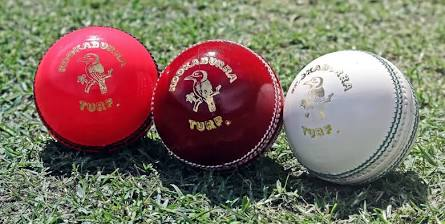
Before looking at individual skills, it helps to understand the basic differences between the three formats.
T20 Cricket
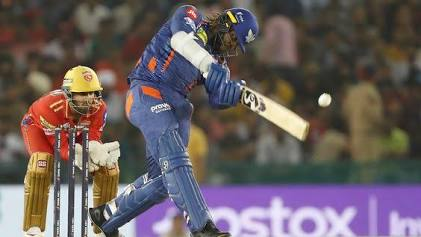
In T20 cricket, each team has a maximum of 20 overs, meaning 120 legal deliveries.
A T20 match usually lasts around three hours, and there is very little room for slow starts. Players are expected to make an impact quickly, whether with the bat, ball, or in the field.
T20 vs ODI vs Test: Which Cricket Format Suits Your Playing Style?
High scoring rates, aggressive batting, innovative shots, and attacking bowling are common features of the format.
ODI Cricket
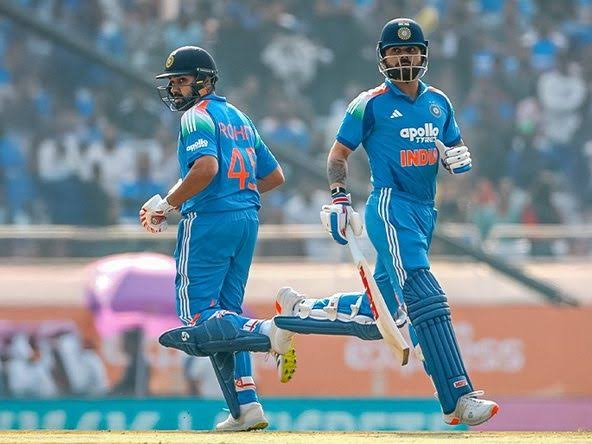
One Day International (ODI) cricket gives each team 50 overs, or 300 legal deliveries.
An ODI usually lasts around seven to eight hours and contains several different phases. Teams must make the most of the powerplay, build partnerships during the middle overs, and accelerate during the final stages.
T20 vs ODI vs Test: Which Cricket Format Suits Your Playing Style?
This makes ODI cricket a game of balance. Players need to know when to attack and when to conserve resources.
Test Cricket
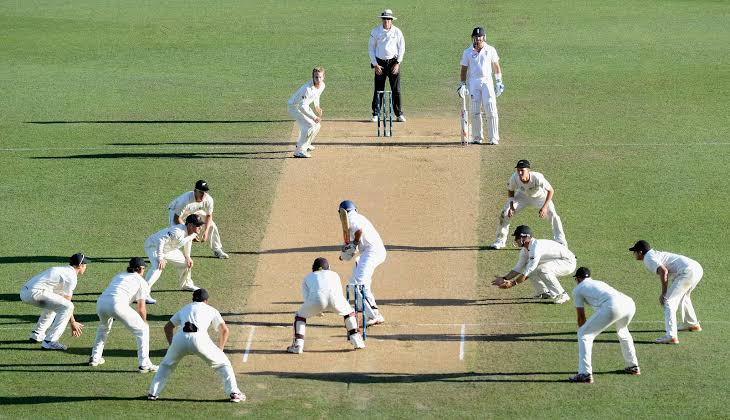
Test cricket is the longest traditional format of the game. There is no fixed over limit, and each team can bat twice.
A Test match can last up to five days, with teams having to deal with changing pitch conditions, weather, fatigue, and pressure.
T20 vs ODI vs Test: Which Cricket Format Suits Your Playing Style?
Technique and temperament are particularly important. A batsman may need to spend several hours at the crease, while fast bowlers may have to deliver long spells repeatedly.
Batting Skills: T20 vs ODI vs Test
The biggest difference between the formats can often be seen in batting.
T20 Batting: Power and Fast Scoring
T20 cricket rewards batsmen who can score quickly.
With only 20 overs available, batsmen cannot afford to spend too much time settling in. Every delivery can have a significant impact on the final result.
Some of the most important T20 batting skills include:
- Power hitting
- High strike rate
- Quick running between wickets
- Innovative shots
- Strong hitting against spin and pace
- The ability to attack from the first ball
- T20 vs ODI vs Test: Which Cricket Format Suits Your Playing Style?
Shots such as ramps, reverse sweeps, scoops and switch hits can be valuable because they allow batsmen to find scoring areas that traditional field settings may leave open.
If you naturally enjoy attacking the bowling and scoring boundaries, T20 cricket could be the format for you.
ODI Batting: Patience, Rotation and Adaptability
ODI batting requires a different approach.
A 50-over innings gives batsmen enough time to build a strong foundation, but there is still pressure to maintain a healthy scoring rate.
The best ODI batsmen know how to change gears.
T20 vs ODI vs Test: Which Cricket Format Suits Your Playing Style?
They may begin cautiously, rotate the strike during the middle overs and then attack aggressively during the final 10 overs.
Important ODI batting skills include:
- Strike rotation
- Building partnerships
- Pacing an innings
- Running hard between wickets
- Adapting to match situations
- Accelerating at the right time
If you enjoy reading the game and changing your approach according to the situation, ODI cricket may suit you.
Test Batting: Technique, Patience and Concentration
Test cricket is perhaps the greatest examination of batting technique and temperament.
There is no need to score from every ball. Instead, batsmen must be prepared to defend, leave dangerous deliveries and wait for the right opportunity to score.
Important Test batting skills include:
- Solid defensive technique
- Patience
- Concentration
- Playing the moving ball
- Leaving deliveries outside off stump
- Adapting to different pitches and conditions
A Test batsman must be comfortable spending hours at the crease.
If you genuinely enjoy building an innings slowly and wearing down bowlers over time, Test cricket could be your natural home.
Bowling Skills: T20 vs ODI vs Test
Bowling also changes dramatically between the three formats.
T20 Bowling: Variations and Death Overs
T20 bowlers face enormous pressure because batsmen are usually looking to attack.
As a result, deception and variation are extremely important.
Useful T20 bowling skills include:
- Slower balls
- Cutters
- Yorkers
- Wide yorkers
- Well-directed bouncers
- Changes of pace
- Accurate death bowling
A bowler does not necessarily need to take several wickets to have a good T20 spell. Controlling the scoring rate can be just as valuable.
If you enjoy short, intense spells and performing under pressure, T20 bowling may suit your style.
ODI Bowling: Consistency and Control
ODI bowlers need to remain effective throughout different stages of the innings.
During the powerplay, the new ball can provide opportunities for swing and early wickets. In the middle overs, bowlers often focus on building pressure and restricting the scoring rate. At the end of the innings, they face aggressive batsmen looking for boundaries.
T20 vs ODI vs Test: Which Cricket Format Suits Your Playing Style?
Key ODI bowling skills include:
- Consistent line and length
- New-ball movement
- Middle-over control
- Accurate variations
- Death-over bowling
- Fitness for longer spells
ODI cricket is particularly rewarding for bowlers who combine accuracy with tactical intelligence.
Test Bowling: Skill, Stamina and Persistence
Test bowling is a long-term battle.
A fast bowler may need to bowl many overs in a day and return the following morning ready to do it again. Spinners may become increasingly dangerous as the pitch deteriorates.
Test bowlers rely heavily on:
- Swing
- Seam movement
- Spin
- Accuracy
- Stamina
- Patience
- Building pressure over multiple overs
- T20 vs ODI vs Test: Which Cricket Format Suits Your Playing Style?
The best Test bowlers are not always looking for an immediate wicket. They may spend several overs testing a batsman’s technique before creating an opportunity.
If you enjoy the strategic side of bowling and have the patience to work for a breakthrough, Test cricket may be ideal.
T20 vs ODI vs Test: Quick Comparison
| Feature | T20 | ODI | Test |
|---|---|---|---|
| Overs per team | 20 | 50 | Unlimited |
| Typical duration | Around 3 hours | Around 7–8 hours | Up to 5 days |
| Batting focus | Power and fast scoring | Pacing and strike rotation | Technique and patience |
| Bowling focus | Variations and death bowling | Consistency and control | Swing, seam, spin and stamina |
| Fitness demand | Explosive | All-day fitness | Multi-day endurance |
| Mental demand | Quick decisions | Adaptability | Patience and resilience |
| Fielding emphasis | Athleticism and boundary work | Ground fielding and throwing | Slip and close catching |
Which Cricket Format Suits Your Playing Style?
There is no single answer for every player. However, your natural strengths can give you a useful indication.
If You Are a Power Hitter: T20 Could Be Your Format
Do you love hitting sixes?
Do you enjoy attacking from the first ball? Do you feel uncomfortable spending too much time defending?
If your natural game is based on aggressive stroke play, power and quick scoring, T20 cricket may suit you best.
T20 gives power hitters the freedom to attack and change a match within a few overs.
If You Are Technically Strong and Patient: Try Test Cricket
Perhaps you are the type of batsman who enjoys playing a perfect defensive shot.
Maybe you are comfortable leaving deliveries outside off stump and can concentrate for long periods without becoming frustrated.
In that case, Test cricket could be your ideal format.
T20 vs ODI vs Test: Which Cricket Format Suits Your Playing Style?
Test cricket rewards players who have strong fundamentals and the mental discipline to wait for opportunities.
If You Are an All-Rounder: ODI May Suit You
All-rounders can be particularly valuable in ODI cricket.
A player who can bat, bowl and field effectively has plenty of opportunities to influence a 50-over match.
ODIs allow all-rounders to contribute across different phases of the game. They may bat in the middle order, bowl several overs and play an important role in the field.
If versatility is your biggest strength, ODI cricket could be a natural fit.
If You Are a Clever Spinner: T20 and Test Both Offer Opportunities
Spinners can be valuable in both T20 and Test cricket, although their roles are very different.
In T20, a spinner’s variations and ability to control the scoring rate can make them extremely effective.
T20 vs ODI vs Test: Which Cricket Format Suits Your Playing Style?
In Test cricket, spinners often become more dangerous as the pitch wears down and develops more turn and uneven bounce.
If you enjoy thinking several steps ahead of the batsman, both formats could suit you.
If You Are a Fast Bowler: It Depends on Your Strengths
Fast bowlers can succeed in every format, but different skills are rewarded in different situations.
A bowler with extreme pace and effective short spells may thrive in T20 cricket.
A bowler who can swing and seam the ball consistently may be particularly suited to Test cricket.
T20 vs ODI vs Test: Which Cricket Format Suits Your Playing Style?
And a complete fast bowler who can swing the new ball, maintain accuracy in the middle overs and bowl effective yorkers at the death is incredibly valuable in ODI cricket.
How Can You Find Your Best Cricket Format?
If you are still unsure, ask yourself a few simple questions.
What Type of Innings Do You Enjoy Most?
Would you rather score:
- 50 runs from 30–40 balls?
- 80 runs from around 100 balls?
- 60 runs from 150 or more deliveries?
Your answer can reveal a lot about your natural batting temperament.
How Do You React to Dot Balls?
If dot balls make you impatient and you immediately want to attack, you may have a natural T20 mindset.
If you are happy to play several dot balls while building pressure or waiting for a scoring opportunity, longer formats may suit you better.
T20 vs ODI vs Test: Which Cricket Format Suits Your Playing Style?
What Type of Bowling Spell Do You Prefer?
Do you enjoy bowling four intense overs and trying to take wickets quickly?
Or do you prefer bowling long spells and gradually working a batsman out?
Your answer can help identify whether T20 or Test cricket is more suited to your bowling style.
How Is Your Fitness?
Each format places different demands on the body.
T20 requires explosive movement, quick reactions and power.
ODI cricket requires players to stay physically and mentally sharp for most of a full day.
Test cricket demands endurance and the ability to perform repeatedly over several days.
Why Versatility Matters in Modern Cricket
Although it is useful to understand your strongest format, modern cricket increasingly rewards versatility.
A player who can adapt their game to different formats becomes much more valuable to a team.
For example, a batsman may need to defend carefully in a Test match but switch to aggressive stroke play when playing T20. Similarly, a bowler may need to bowl economically in T20 while developing patience and setting up batsmen over long spells in Test cricket.
T20 vs ODI vs Test: Which Cricket Format Suits Your Playing Style?
Learning skills from one format can also improve your performance in another.
T20 can teach batsmen how to attack and find unconventional scoring options. Test cricket can strengthen defensive technique and concentration. ODI cricket can help players develop the ability to balance attack and defense.
The best players understand when to use each skill.
What About Local and Club Cricket?
At grassroots and club level, players are not always restricted to traditional T20, ODI or Test formats.
You may find:
- 10-over matches
- 15-over matches
- 30-over matches
- 40-over matches
- Two-day matches
- Timed matches
- Modified team formats
These shorter and modified formats can be excellent for developing versatility.
A player might play a 15-over match one weekend and a 40-over game the next. Being able to change your approach quickly can make a major difference.
Club cricket is often where players discover which aspects of the game they enjoy most.
T20 vs ODI vs Test: Which One Is Best?
The answer depends on the player.
T20 cricket is ideal for explosive players who enjoy fast scoring, attacking cricket and high-pressure situations.
ODI cricket suits adaptable players who enjoy balancing aggression and patience while contributing throughout a long match.
T20 vs ODI vs Test: Which Cricket Format Suits Your Playing Style?
Test cricket is perfect for players who value technique, patience, concentration and strategic battles.
But you don’t necessarily have to choose just one.
Cricket becomes more rewarding when you understand all three formats and learn what each one can teach you.
A T20 player can learn patience from Test cricket. A Test batsman can learn new attacking options from T20. An ODI player can develop the adaptability needed to succeed across different conditions.
Final Thoughts
T20, ODI and Test cricket may share the same basic rules, but they test completely different qualities.
T20 tests your speed, power and ability to make quick decisions.
T20 vs ODI vs Test: Which Cricket Format Suits Your Playing Style?
ODI cricket tests your adaptability, fitness and ability to control the pace of a match.
Test cricket tests your technique, patience, concentration and mental resilience.
The most important thing is to understand your own strengths and keep developing your weaknesses.
Whether you love smashing sixes in T20, building long innings in ODIs, or battling through a difficult Test match, there is something unique about every format.
T20 vs ODI vs Test: Which Cricket Format Suits Your Playing Style?
And that is what makes cricket such a fascinating sport.