

Learn 10 important rules of cricket in simple English, including Mankading, timed out, catches, penalty runs, and hit the ball twice.
10 Important Rules of Cricket Explained in Simple English
Cricket is one of the most popular sports in the world. Over the years, the game has developed a long and fascinating history, along with many rules that make it unique.
For beginners, some of these rules may seem confusing at first. Even regular cricket fans may not be familiar with every unusual situation that can occur during a match.
In this article, we will explore 10 important cricket rules in simple English, including some lesser-known rules that every cricket lover should know.
1. Mankading or Non-Striker Run Out
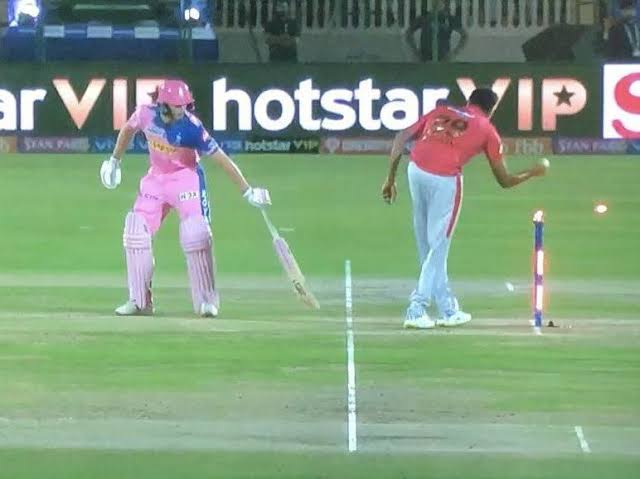
One of the most discussed rules in cricket is Mankading, commonly known today as a non-striker run out.
The term comes from Indian cricketer Vinoo Mankad. Under this rule, if the non-striker leaves the crease before the bowler releases the ball, the bowler can stop the delivery and break the wicket at the non-striker’s end.
If the conditions of the law are met, the batter can be given out run out.
In 2022, this type of dismissal was officially included under the run-out law rather than being treated as a separate category.
2. The Three-Minute Rule
After a batter is dismissed, the next batter must arrive at the crease and be ready to play within a specific time.
In Test and One-Day International cricket, the traditional time limit is three minutes. If the new batter does not arrive within the required time, they may be given out timed out.
However, the umpire may allow additional time in certain circumstances. The exact time limit can also vary depending on the format and playing conditions.
In T20 cricket, the time limit is generally 90 seconds.
3. Catching the Ball with a Cap or Clothing
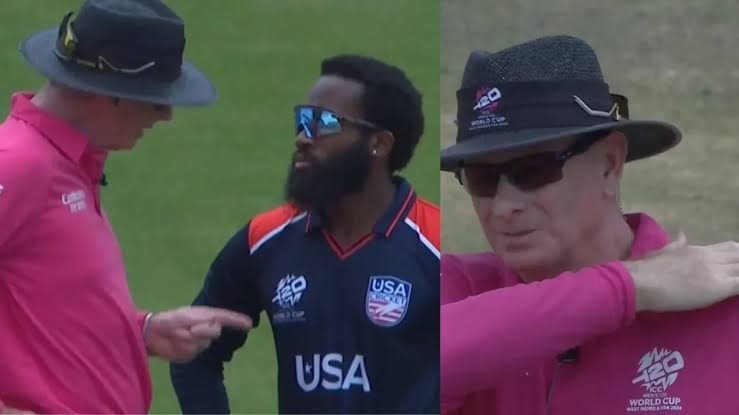
A catch in cricket must be completed legally using the fielder’s hands or other permitted parts of the body.
If a fielder deliberately uses a cap, clothing, or another piece of equipment to stop or catch the ball, the catch will not be considered valid.
This rule ensures that fielders do not gain an unfair advantage by using their equipment to complete a catch.
4. Handling the Ball
Under the Laws of Cricket, a batter can be dismissed for obstructing the field if they deliberately stop the ball with a hand that is not holding the bat.
However, a batter will not be out if they use their hand to protect themselves from injury.
This type of dismissal was previously known as “handled the ball.” Since 2017, it has been included under the obstructing the field law.
5. When the Ball Hits an Object
If the ball hits a roof, spider camera, or another object above or around the playing area, the umpire may declare it a dead ball, depending on the playing conditions.
In such situations, the result of the delivery is determined according to the Laws of Cricket and the specific rules of the match.
This means that even if a catch appears to be possible, it may not count if the ball was not legally in play.
6. The Shadow Rule
Cricket also includes rules about the position and movement of fielders.
If a fielder’s movement or position deliberately distracts the batter, the umpire may intervene. This can include situations where a fielder’s shadow creates a distraction while the batter is preparing to play a shot.
The purpose of this rule is to ensure that the batter is not unfairly distracted during the delivery.
7. Withdrawing an Umpire’s Decision
In certain situations, an umpire may withdraw a decision after giving a batter out.
For example, if a batter is dismissed while attempting a run and the dismissal is affected by an unusual incident, such as a collision with a fielder, the umpire may review the situation and change the decision if the laws allow it.
10 Important Rules of Cricket Explained in Simple English
However, “call back” is not a general rule that allows a captain to cancel any dismissal. It applies only in specific circumstances.
8. Five Penalty Runs
In cricket, the batting team can be awarded five penalty runs if the fielding team deliberately places its equipment on the field and the ball hits it.
For example, if a wicketkeeper leaves a helmet on the ground and the batter’s shot hits that helmet, penalty runs may be awarded.
However, the rule does not apply every time a ball touches equipment. The umpire must consider the circumstances and the relevant laws.
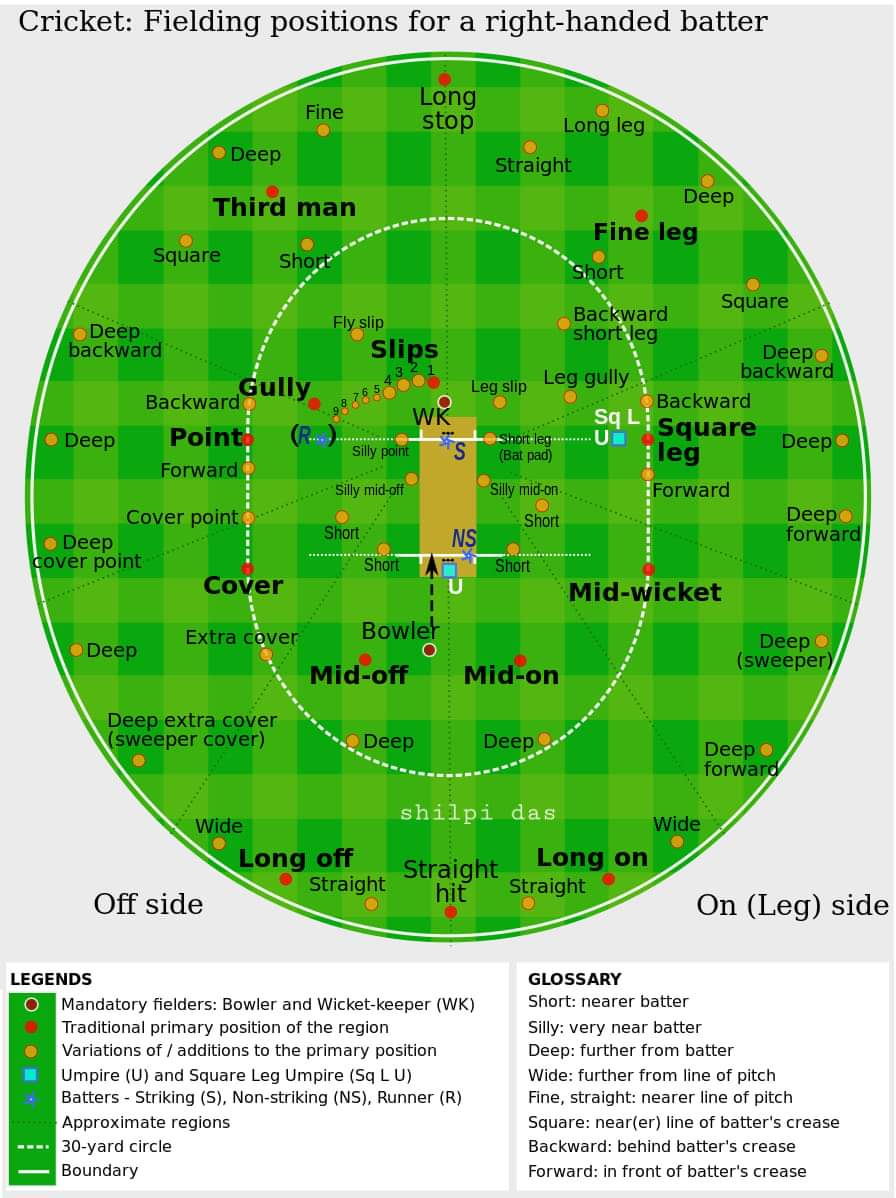
9. The Long Stop Fielding Position
Long stop is a fielding position behind the wicketkeeper, usually close to the boundary.
A fielder may be placed in this position under the Laws of Cricket. However, it is not commonly used in modern cricket.
Captains may use a long-stop fielder in special situations, depending on the match conditions and their strategy.
10. Hit the Ball Twice
Hit the ball twice is one of the rarest dismissals in cricket.
A batter can be given out if they deliberately hit the same ball twice, unless the second contact is made for a permitted reason, such as protecting their wicket or under the relevant provisions of the laws.
This rule prevents batters from gaining an unfair advantage by deliberately striking the ball more than once.
Conclusion
Cricket is much more than a game of bat and ball. It is a sport with a rich history, detailed laws, and many unusual situations that make it exciting to watch.
Rules such as non-striker run out, timed out, obstructing the field, penalty runs, and hit the ball twice may not happen often, but understanding them can make watching cricket even more enjoyable.
Whether you are a beginner or a regular cricket fan, learning these rules will help you understand the game better.
Which cricket rule did you find the most interesting? Let us know in the comments.