


A comprehensive 1200-word analysis of the strengths and weaknesses shown by both Mexico national football team and South Africa national soccer team in the FIFA World Cup 2026 opening match, exploring tactics, key performances, strategy, and what each side must improve after the Group A clash in Mexico City.
Mexico vs South Africa — Strengths and Weaknesses
Mexico vs South Africa — Strengths and Weaknesses from the FIFA World Cup 2026 Opener
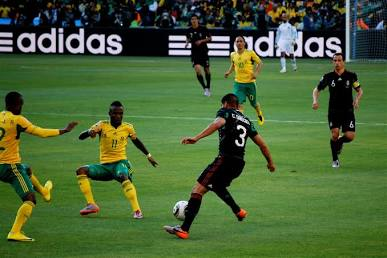
##Mexico vs South Africa — Strengths and Weaknesses
The 2026 FIFA World Cup kicked off on June 11, 2026, with a compelling Group A clash between host nation Mexico and African challengers South Africa at the iconic Estadio Azteca in Mexico City. This fixture drew global attention as a rare repeat of a World Cup opener, mirroring the 2010 match between these same teams — now with the roles reversed. Mexico, one of the co-hosts of this tournament, entered as favorites backed by home support, while South Africa returned to the World Cup stage after a 16-year absence.
This blog dives into both teams’ performances, examining their tactical strengths and weaknesses, and how these shaped the outcome and implications moving forward.
Mexico vs South Africa — Strengths and Weaknesses from the FIFA World Cup 2026 Opener….
Tactical Overview: Formations and Strategy
Mexico’s Approach

Mexico lined up in a flexible shape that blended possession and width, likely a 4-1-2-3 formation built to control the midfield while utilising wide attackers to stretch South Africa’s lines. The central pivot allowed Mexico to recycle possession and dictate tempo, while fullbacks provided attacking width. Their tactical setup emphasized structured build-up and controlled progression upfield.
Mexico vs South Africa — Strengths and Weaknesses
This approach is characteristic of coach Javier Aguirre’s philosophy — disciplined, possession based, but with fluid transitions into attack. His Mexico side aimed to dominate the ball without becoming overly predictable.
South Africa’s Game Plan

South Africa, under Hugo Broos, prioritized defensive organisation and compact structure, setting up in a shape around a 4-2-3-1 designed to absorb pressure and transition quickly via counterattacks. Their midfield double pivot was tasked with breaking up play and supporting swift forward movements once possession was regained
Mexico vs South Africa — Strengths and Weaknesses
Without extensive recent World Cup experience at this level, South Africa’s tactical plan focused on intensity in transition, disciplined shape, and exploiting any space left by Mexico’s attacking forays.
Strengths on Display
⭐ Mexico: Possession and Midfield Control
One of Mexico’s biggest strengths was its ability to maintain possession and control midfield rhythms. By dominating the ball and building methodically from the back, El Tri forced South Africa to drop deeper and remain cautious in their defensive positioning. Players like Álvaro Fidalgo and Brian Gutiérrez were crucial in linking play and creating forward momentum.
Mexico vs South Africa — Strengths and Weaknesses
This midfield control limited South Africa’s chances and allowed Mexico to impose their style, particularly in the first half, restricting their opponent’s ability to settle into the match.
⭐ Mexico: Home Advantage and Atmosphere
Playing at Estadio Azteca provided Mexico with an immense advantage — both tactically and psychologically. The passionate home crowd, coupled with Mexico City’s altitude, created an intimidating environment for the visitors. Not only did this influence the pace and energy of the match, but it also forced South Africa to adapt quickly to the hostile and high-pressure conditions.
⭐ South Africa: Compactness and Organisation
Despite entering as underdogs, South Africa did not shy away from assertive defending. Their compact defensive shape made it difficult for Mexico to penetrate centrally. By restricting gaps between lines and showing disciplined tracking of runners, South Africa frustrated Mexico’s attacking efforts at several points in the match.
Mexico vs South Africa — Strengths and Weaknesses
The Bafana Bafana’s ability to limit Mexico’s most dangerous moments highlighted their tactical discipline — a strength that reflects coach Hugo Broos’s emphasis on structure and resilience.
⭐ South Africa: Transition Threats
On the counterattack, South Africa showcased pace and dynamism, particularly when quick switches of play unlocked space behind Mexico’s advanced fullbacks. Though not consistently sustained, these transitions had the potential to create meaningful scoring opportunities, forcing Mexico’s defence to remain alert and compact.
Weaknesses Exposed
🔻 Mexico: Final Third Effectiveness
Despite midfield success, Mexico struggled at times to convert its territorial advantage into clear goal-scoring opportunities. In turn, their final-third play lacked sharpness — key passes and penetrative passes into scoring areas were sometimes misplaced or held up by South Africa’s defenders.
Mexico vs South Africa — Strengths and Weaknesses
This inefficiency in attack was partly due to South Africa’s disciplined shape but also a reminder that Mexico must work on collaborative movement and clinical finishing at the top level.
🔻 Mexico: Defensive Gaps to Counterattacks
While Mexico aimed to dominate possession, its high defensive line occasionally left exploitable spaces for South Africa’s breakaways. The advanced positioning of full-backs and midfielders sometimes created gaps between defence and midfield, which could have been punished more severely had South Africa been sharper in transition play.
Mexico vs South Africa — Strengths and Weaknesses
This vulnerability underscores a tactical trade-off Mexico must address: balancing attacking ambition with defensive stability in key areas.
🔻 South Africa: Offensive Consistency
Although South Africa displayed effectiveness on the counterattack, they lacked consistency in sustained offensive pressure. The team struggled to string together cohesive attacking sequences, and often relied on sporadic bursts of pace rather than controlled build-up play.
Their forwards occasionally found it difficult to maintain possession in tight spaces or to exploit Mexico’s defensive gaps over prolonged periods.
🔻 South Africa: Midfield Control Under Pressure
While defensively compact, South Africa’s midfield occasionally struggled to control the pace when Mexico shifted possession laterally or recycled the ball with precision. When Mexico accelerated tempo, South Africa’s double pivot found it challenging to disrupt with similar intensity for sustained periods.
This difficulty in maintaining midfield balance under pressure impacted their ability to launch dangerous attacks consistently.
Key Individual Performances
⭐ Mexico: Raúl Jiménez
Mexico’s talismanic forward, often occupying central spaces and acting as a focal point for attacks, demonstrated leadership and intelligent movement. His ability to hold up the ball and bring teammates into the game was crucial in Mexico’s offensive build-ups.
⭐ South Africa: Midfield Engines
South Africa’s midfield duo contributed significant defensive work, pressing intelligently and supporting swift transitions. Their role was critical in maintaining structure and limiting Mexico’s most threatening sequences.
While individual names may vary depending on lineups, the collective effort exemplified South Africa’s tactical commitment.
What This Means for the Tournament
Mexico’s Outlook
Mexico’s display highlighted a team capable of controlling matches and leveraging the home advantage. However, to truly challenge deep into the tournament, they must refine their attacking consistency and tighten transitions from attack to defence.
The depth of their squad and collective tactical discipline positions them well for progression from Group A and beyond — provided they address the finishing and transitional issues evident in this match.
South Africa’s Prospects
For South Africa, the match represented a statement of intent — showcasing tactical organisation and mental resilience against a technically superior host side. Their compact shape and counterattacking threats should not be underestimated going forward.
To build on this performance, South Africa must develop more fluid attacking phases and improve ball retention under sustained pressure.
Conclusion
The FIFA World Cup 2026 opener between Mexico and South Africa was a fascinating tactical encounter. Mexico’s possession dominance and home advantage contrasted sharply with South Africa’s compact defence and transition threat — creating a dynamic match that offered clear strengths and areas for growth for each side.
Mexico vs South Africa — Strengths and Weaknesses
Mexicans can take heart in their ability to control the game but must sharpen their final actions in the attacking third. South Africa proved they belong on football’s greatest stage, though consistency in attack and midfield control will be key to their ambitions.
As the tournament unfolds, these insights offer a strong foundation for understanding how both teams might evolve — and why the beautiful game continues to captivate global audiences in every chapter of the World Cup.