


A deep dive into the current United States Men’s National Soccer Team (USMNT) in 2026—key players, tactical identity under Mauricio Pochettino, rising stars, World Cup ambitions, and what the future holds for American soccer.
A Golden Generation Ready for the World Stage
The Current U.S. Men’s National Team: A Golden Generation Ready for the World Stage
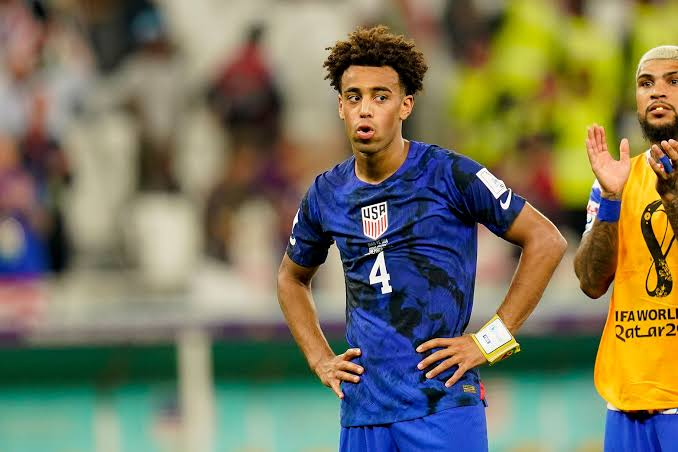
##A Golden Generation Ready for the World Stage
The United States Men’s National Team (USMNT) stands at a defining moment in its history. With the 2026 FIFA World Cup on home soil and a core group of players entering their prime years, American soccer has never had more momentum—or more expectations.
Led by head coach Mauricio Pochettino, the USMNT blends European-based stars, domestic standouts, and emerging youth talent into what many call the most technically gifted squad the country has ever produced. But talent alone does not guarantee success. The question is no longer whether the U.S. can compete—it’s whether they can truly contend.
Let’s break down the current state of the team, from key players and tactics to strengths, weaknesses, and what lies ahead.
The Current U.S. Men’s National Team: A Golden Generation Ready for the World Stage…
A New Era Under Mauricio Pochettino

The appointment of Mauricio Pochettino signaled ambition. Known for his high-pressing, energetic style at clubs like Tottenham Hotspur F.C. and Paris Saint-Germain F.C., Pochettino brings tactical discipline and attacking fluidity.
Under his leadership, the USMNT emphasizes:
- Aggressive pressing
- Fast transitions
- Technical midfield control
- Flexible attacking movement
The team no longer sits back and counters as it often did in previous decades. Instead, it aims to dictate tempo, build from the back, and press opponents into mistakes. This philosophical shift reflects the maturation of American players who now thrive in Europe’s top leagues.
A Golden Generation Ready for the World Stage
The Core Stars: Entering Their Prime
Christian Pulisic – The Captain and Catalyst
At the heart of the squad is Christian Pulisic, now firmly established as the team’s leader. Playing at a high level in Europe, Pulisic has evolved from a promising teenager into a complete attacker. His strengths include:
A Golden Generation Ready for the World Stage
- Explosive acceleration
- Intelligent movement
- Improved decision-making
- Leadership presence
He is no longer just “the American hope.” He is a proven performer capable of changing games at the highest level.
Weston McKennie – The Engine
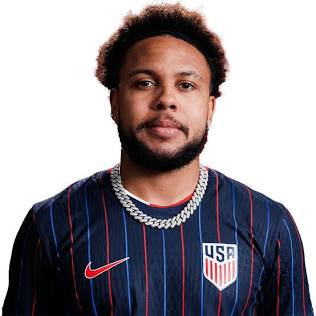
Weston McKennie remains the heartbeat of the midfield. Known for his physicality and aerial ability, McKennie thrives in high-energy systems. He contributes:
- Defensive ball recovery
- Late runs into the box
- Tactical flexibility
- Big-game mentality
His experience in European competition has added maturity to his once-raw style.
A Golden Generation Ready for the World Stage
Tyler Adams – The Anchor
When healthy, Tyler Adams is indispensable. As a defensive midfielder, he shields the back line and sets the pressing tone. His intelligence off the ball allows attacking players more freedom.
Adams’ leadership and composure make him arguably the team’s most tactically important player.
Gio Reyna – The Creative Spark
Gio Reyna represents the team’s creative ceiling. Capable of playing centrally or wide, Reyna provides vision and technical elegance. If he can stay healthy and consistent, he could be the difference-maker in knockout matches.
A Golden Generation Ready for the World Stage
Defensive Stability: A Growing Strength
Historically, U.S. teams relied heavily on grit and defensive organization. Today’s version combines that resilience with improved technical ability.
The Center-Back Pairing
Antonee Robinson and Tim Ream have brought experience and reliability in recent cycles, while younger defenders push for starting roles.
The goalkeeping position remains strong, with Matt Turner providing shot-stopping reliability and composure under pressure.
The biggest improvement? Comfort playing out of the back. The team now builds attacks instead of simply clearing danger.
Tactical Identity: High Energy, High Risk
The USMNT’s current tactical approach can be summarized in three pillars:
1. High Pressing
Forcing turnovers in advanced areas creates scoring opportunities. This requires intense conditioning and coordination.
2. Midfield Rotation
McKennie, Adams, and Reyna interchange roles fluidly, making the team less predictable.
3. Wide Attacking Play
With dynamic fullbacks and wingers, the U.S. stretches defenses and creates space centrally.
However, this aggressive style also brings vulnerabilities:
- Susceptibility to counterattacks
- Occasional defensive disorganization
- Dependence on player fitness
Against elite teams, these weaknesses can be exposed.
A Golden Generation Ready for the World Stage
Youth Movement: The Next Wave
Beyond the established core, a new generation continues to rise. American academies and European development pipelines are producing more technically refined players than ever before.
The influence of Major League Soccer academies cannot be overstated. MLS development systems now consistently export talent to Europe, accelerating growth.
This pipeline ensures that competition within the national team remains fierce—a crucial factor for sustained success.
A Golden Generation Ready for the World Stage
The 2026 World Cup: Pressure and Opportunity
Hosting the 2026 FIFA World Cup alongside Canada and Mexico presents both enormous opportunity and enormous pressure.
Advantages include:
- Home-field familiarity
- Massive fan support
- Reduced travel fatigue
But expectations are sky-high. A quarterfinal appearance would match the historic run of 2002. A semifinal would redefine American soccer globally.
This team is more talented than the squad that reached the quarterfinals in 2002. The difference will come down to:
- Tactical cohesion
- Injury management
- Big-game composure
Strengths of the Current Squad
- European Experience – Many starters compete weekly in top leagues.
- Athleticism – The team can match physical intensity with almost anyone.
- Depth – Competition for starting spots is stronger than ever.
- Age Profile – Most key players are between 24–28, traditionally peak years.
Areas for Improvement
Despite progress, challenges remain:
Clinical Finishing
The team sometimes dominates possession without converting enough chances.
Defensive Consistency
High pressing leaves space behind the back line.
A Golden Generation Ready for the World Stage
Mental Edge in Knockouts
Winning elimination games requires ruthless efficiency.
These factors will determine whether the USMNT is merely competitive—or truly elite.
Cultural Shift: Soccer’s Growing Influence in America
The rise of this team mirrors the sport’s expanding footprint in the U.S. Youth participation remains high, television viewership continues to grow, and global stars increasingly view America as a legitimate soccer nation
.A Golden Generation Ready for the World Stage
The success of the USMNT directly impacts the sport’s domestic perception. A deep World Cup run in 2026 could permanently elevate soccer’s place in American culture.
Final Thoughts: A Defining Moment
The current United States Men’s National Team represents the culmination of decades of investment in youth development, international exposure, and structural growth.
A Golden Generation Ready for the World Stage
With Christian Pulisic leading, Tyler Adams anchoring the midfield, and Mauricio Pochettino guiding from the sidelines, this squad has both identity and ambition.
But legacy is not built on potential—it’s built on performance
.A Golden Generation Ready for the World Stage
The 2026 World Cup will be more than a tournament for the USMNT. It will be a referendum on whether American soccer has truly arrived.